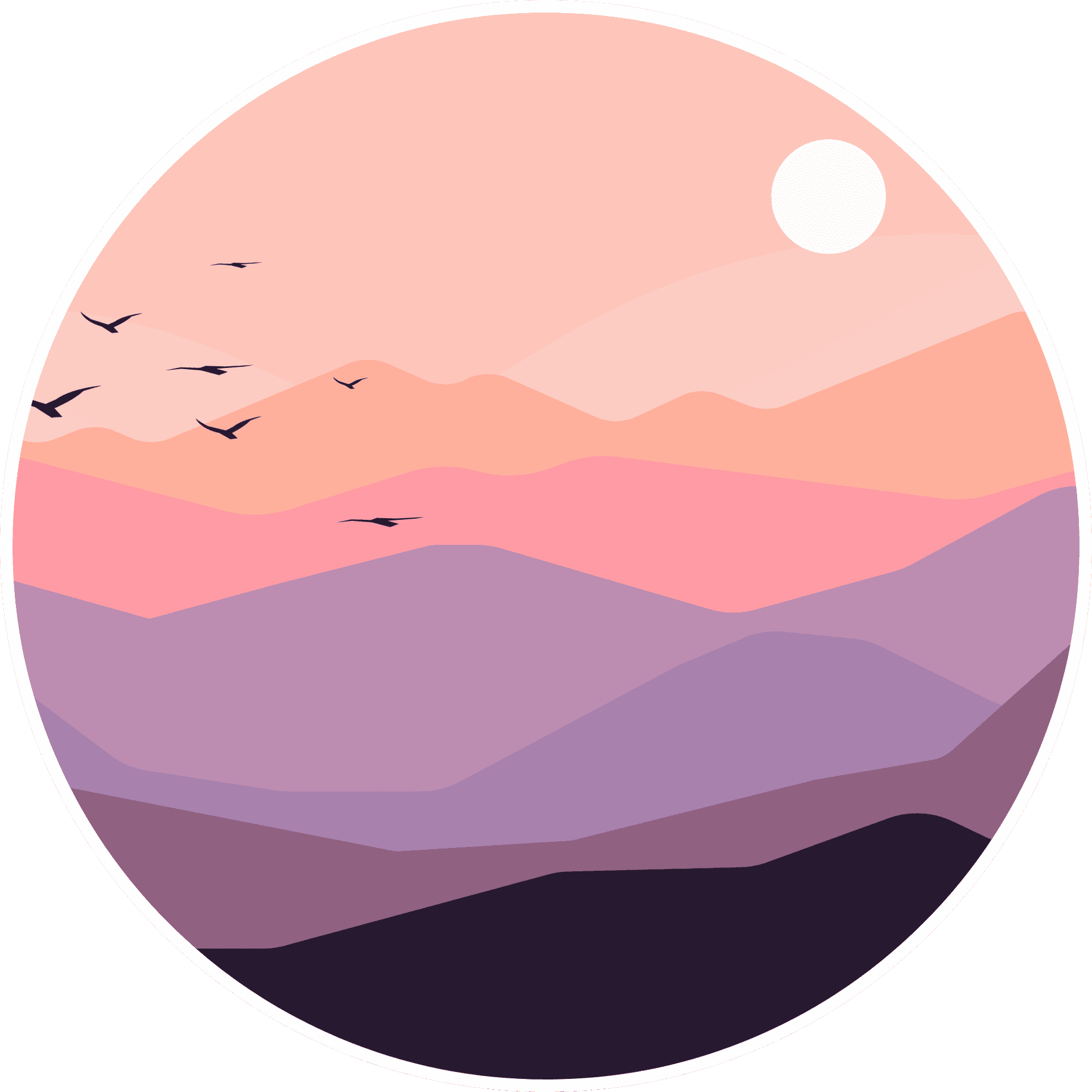

Nature's Palette: The Science of Colors That Calm Your Mind
Why does a walk in the forest feel so relaxing? Explore the color psychology behind nature's hues and how to bring that serenity to your screen.
Have you ever noticed how a walk in the forest or a view of the ocean instantly makes you feel more relaxed? This isn't just a feeling; it's rooted in evolutionary biology and color psychology. Your environment shapes your mental state, and color is one of the most powerful tools in that toolkit.
In a world of glaring neon notifications and stark white spreadsheets, our eyes (and brains) are starving for the soothing tones of the natural world. In this deep dive, we'll explore why nature's palette is the ultimate antidote to digital stress and how you can harness it.
The Psychology of Blue and Green
Color psychology is the study of how hues determine human behavior. While cultural associations vary, our biological responses to nature's primary colors—blue and green—are remarkably consistent across the human species.
Blue: The Color of Stability
Blue is the color of the mind. As the color of the sky and the sea, it is associated with depth, stability, and trust. Research has shown that exposure to blue light can lower blood pressure and slow heart rate. It is a "non-aggressive" color that encourages intellectual activity, reflection, and calm.
However, not all blues are created equal. The piercing "blue light" of screens disrupts sleep, but the soft, azure tones of a misty mountain wallpaper can have a restorative effect.
Green: The Color of Balance
Green is the color of balance. It sits in the center of the visible light spectrum and requires no adjustment of the eye to see, making it the most restful color for the human visual system. Evolutionarily, green signaled the presence of water and food—safety.
Bringing green into your workspace, whether through plants or botanical digital art, can reduce eye strain and fatigue.


Why "Nature" Colors Work Best
It's not just about the specific hue, but the complexity and saturation. Nature rarely deals in the pure, blindingly saturated colors of a default Windows error message or a neon advertisement. Nature's palette is:
- Desaturated: Earthy tones, pastels, and muted variants are easier on the eyes.
- Complex: A leaf isn't just one hex code of green; it's a gradient of hundreds of shades. This complexity is engaging without being overwhelming ("soft fascination").
- Harmonious: Nature's colors naturally complement each other. The brown of bark and the green of leaves is a perfect, high-contrast yet low-strain pairing.
Designing Your Digital Environment
So, how do we apply this to our screens? We spend 8-12 hours a day looking at pixels. If those pixels are high-contrast black text on bright white backgrounds, creating "visual glare," we fatigue quickly.
1. The 60-30-10 Rule for Desktops
Interior designers use this rule, and it applies to digital spaces too:
- 60% Dominant Color: This should be a neutral or nature-based background tone (e.g., a soft grey, beige, or huge expanse of sky in your wallpaper).
- 30% Secondary Color: This is your window chrome or browser theme (e.g., dark mode grey or muted blue).
- 10% Accent Color: This is for focus—folder icons or active tabs.
2. Dynamic Themes
Utilize the "Night Shift" or "f.lux" features on your devices to warm up the colors as the sun sets. Mimicking the natural transition from the blue daylight (alertness) to the warmer orange glow of sunset (rest) aligns your circadian rhythm.
Curator's Tip
When choosing a wallpaper, look for images with a "cool" temperature (blues, purples, greens) for deep work phases, and "warm" temperatures (oranges, yellows) for creative ideation. Explore our collections by color mood.
Conclusion: Intentional Aesthetics
Aesthetics are not just vanity. They are functional. The colors you surround yourself with—physically and digitally—influence your mood, energy, and focus. By consciously choosing a nature-inspired palette for your digital environment, you are choosing kindness for your mind.

Written by
Elena Vance
Elena explores the intersection of digital design and mental clarity, curating spaces that help you focus.